


Genmaicha
Green tea Genmaicha • Japan • Grilled rice


Hojicha , Kyushu – Bulk 100g
Green tea • Grilled rice • Organic


Green Sencha – Bulk 100g
Green tea Japan • Organic


Ceremonial Matcha
Ceremonial Matcha green tea • 30g • Japan • Organic


Premium Matcha
Premium Matcha green tea powder • 30g • Japan • Organic

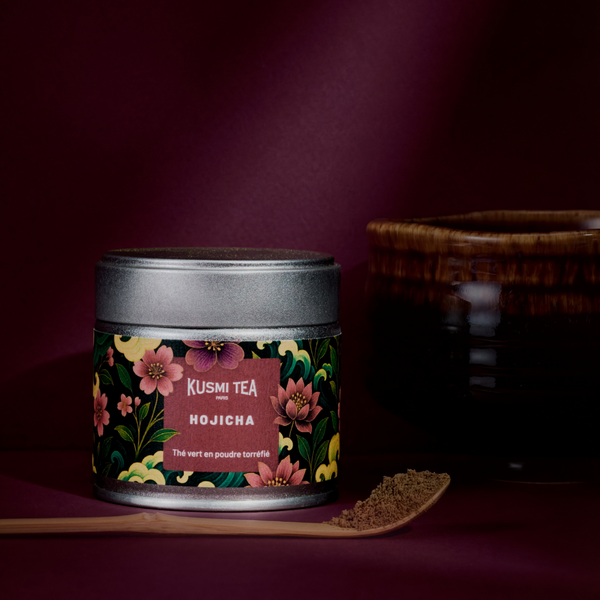
Hojicha
Hojicha Green Tea Powder • 30g • Japan • Organic


Sakura Cast Iron Cup 15Cl
IWACHU • Handmade • Japanese Tea Ceremony


Kiku cast iron teapot 65Cl
IWACHU • Handmade • Japanese Tea Ceremony


Cast Iron trivet
IWACHU • Handmade • Tea Ceremony • Japan


Kit Matcha and Syrups to Compose
1 can 30g of matcha • 1 Monin syrup

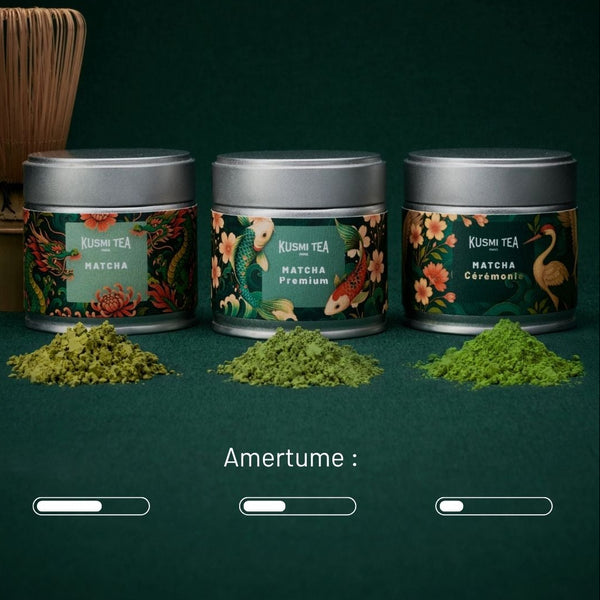
Matcha Sets and Accessories to compose
1 box 30g of matcha • 1 accessory box of your choice

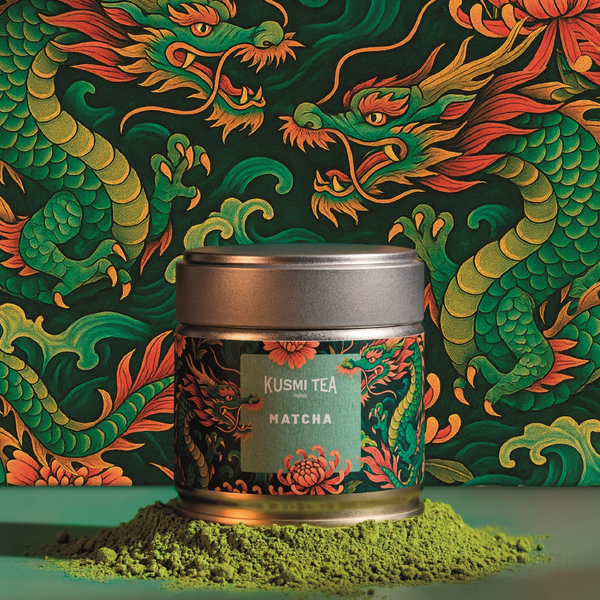
Matcha – 30 g tea-filled tin
Matcha Green Tea Powder • 30g • Japan • Organic
Filters


Discovering Japanese teas
Japanese teas are an essential part of Japan’s culture. They are mostly made from green tea, using distinctive growing and processing methods that give them vegetal, sea-breeze, roasted or umami flavours.
Naturally rich in antioxidants, they appeal to tea lovers and connoisseurs alike. Each variety has its own character, shaped by expertise passed down from generation to generation.
The main varieties of Japanese green tea
Sencha is Japan’s most popular tea. After harvesting, the leaves are quickly steamed to preserve their freshness. The result: vegetal, slightly sea-breeze notes and a lively taste. It is often the best place to start when exploring Japanese teas.
Matcha is a green tea powder. The leaves are grown in the shade for several weeks before harvesting, developing rich flavours and a wonderfully velvety texture. Traditionally served during the tea ceremony, it can now be enjoyed in a cup or used in cooking.
Genmaicha combines Japanese green tea with roasted rice. Originally an everyday tea, it now stands out for its distinctive flavour, balancing fresh vegetal notes with the inviting taste of toasted grains. Its mild flavour makes it an easy choice for beginners.
Hojicha stands out because its leaves are roasted after processing. This gives it its amber colour and warm aromas reminiscent of caramel, hazelnut and toasted wood. With little bitterness, it is a favourite at the end of the day for its comforting character.
Japan also produces other renowned teas. Gyokuro is grown in the shade and develops particularly intense umami notes; it is often considered the best Japanese tea. Kukicha, made from the stems and twigs of the tea plant, is loved for its mild, light taste.
Each Japanese tea reflects its place of origin, growing methods and the skill behind it, all of which make Japan’s tea tradition so rich.
How do you prepare Japanese tea?
Japanese teas are generally prepared with cooler water than other teas to preserve their delicate aromas. For sencha, a temperature of 70 to 80 °C works perfectly. Matcha is prepared at 60 to 70 °C. Roasted teas, such as hojicha, can take hotter water.
When it comes to storage, green tea is sensitive to light and air. Keep it in a cool, dry place, ideally in an airtight metal tea tin.